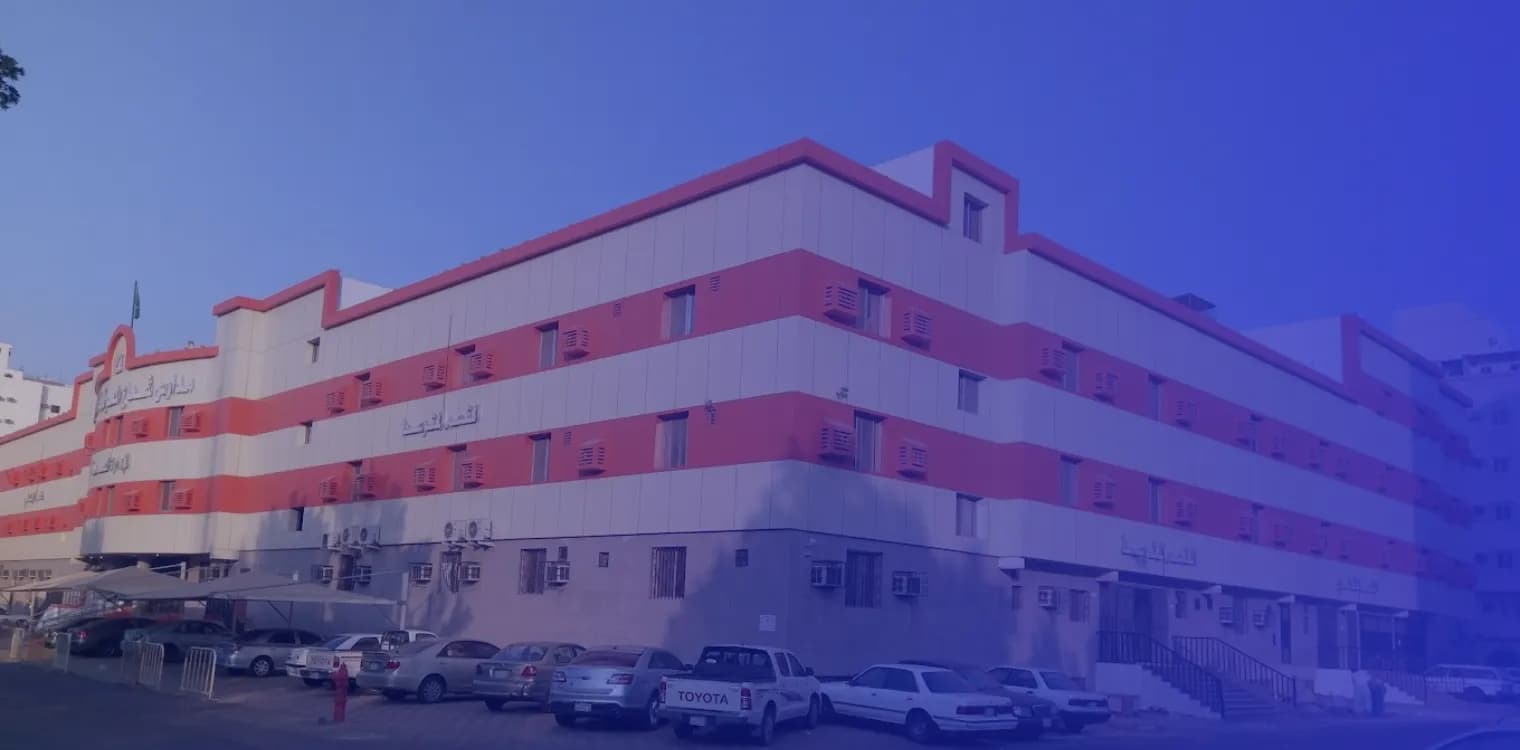

Shoaa Al Marefa International Schools
Are you a representative of the school? Contact us
We will help you get the information
American
Shoaa Al Marefa International Schools adopts the American curriculum, focusing on developing creative thinking and life skills in a progressive learning environment.
School Facilities
Shoaa Al Marefa International Schools provides advanced facilities including state-of-the-art scientific labs, a resource-rich library, and fully equipped sports facilities.
School Fees
Starting from 17250
About the school
Shoaa Almarefa International School was established in Makkah in 1411 AH by Dr. Ashraf Mohammed Sheikha, and the schools take pride in the qualitative leap they have achieved in education for both boys and girls sections since their establishment.
Shoaa Almarefa Schools guide students to reach or get closer to their aspirations, and over the years, contribute to educating children with excellent outcomes, all under the management of distinguished administrators.
Towards an educational and instructional school life that achieves leadership and excellence.
Providing the best educational services to prepare a creative generation distinguished by Islamic values, achieving loyalty to their homeland, and capable of competing in building a knowledge society.
1. Developing self-learning and cooperative learning skills among students.
2. Easy access to information through virtual classrooms for learners.
3. Reducing time and effort during the learning process.
4. Contributing to establishing infrastructure and information technology base founded on cultural principles to prepare the new generation society.
5. Creating an advanced information society by developing orientation towards information technology through computer network usage.
6. Solving real-life problems and situations within the school environment and using network resources to deal with and solve them.
7. Training school staff on quality standards for electronic courses.
8. Preparing and implementing the quality accreditation process for electronic courses.
9. Measuring efficiency, effectiveness, and satisfaction of teachers, students, and parents regarding e-learning and education.
10. Identifying gaps and development opportunities in the e-learning program and proposing appropriate projects to fill gaps and benefit from improvement opportunities.
11. Enabling faculty members to develop, participate, and reuse or modify learning resources.
12. Optimal use of e-learning tools to contribute to solving problems and meeting school community needs.
13. Supporting creativity, leadership, and assistance, and creating the appropriate environment for them.
Security and Safety Guidelines
Accredited by


School photos
Fees & Facilities
We will help you get the information
Science Laboratory
Swimming Pool
computer laboratory
playgrounds
We will help you get the information
Frequently asked questions
Free Consultation
Get Expert Advice
.webp&w=640&q=75)